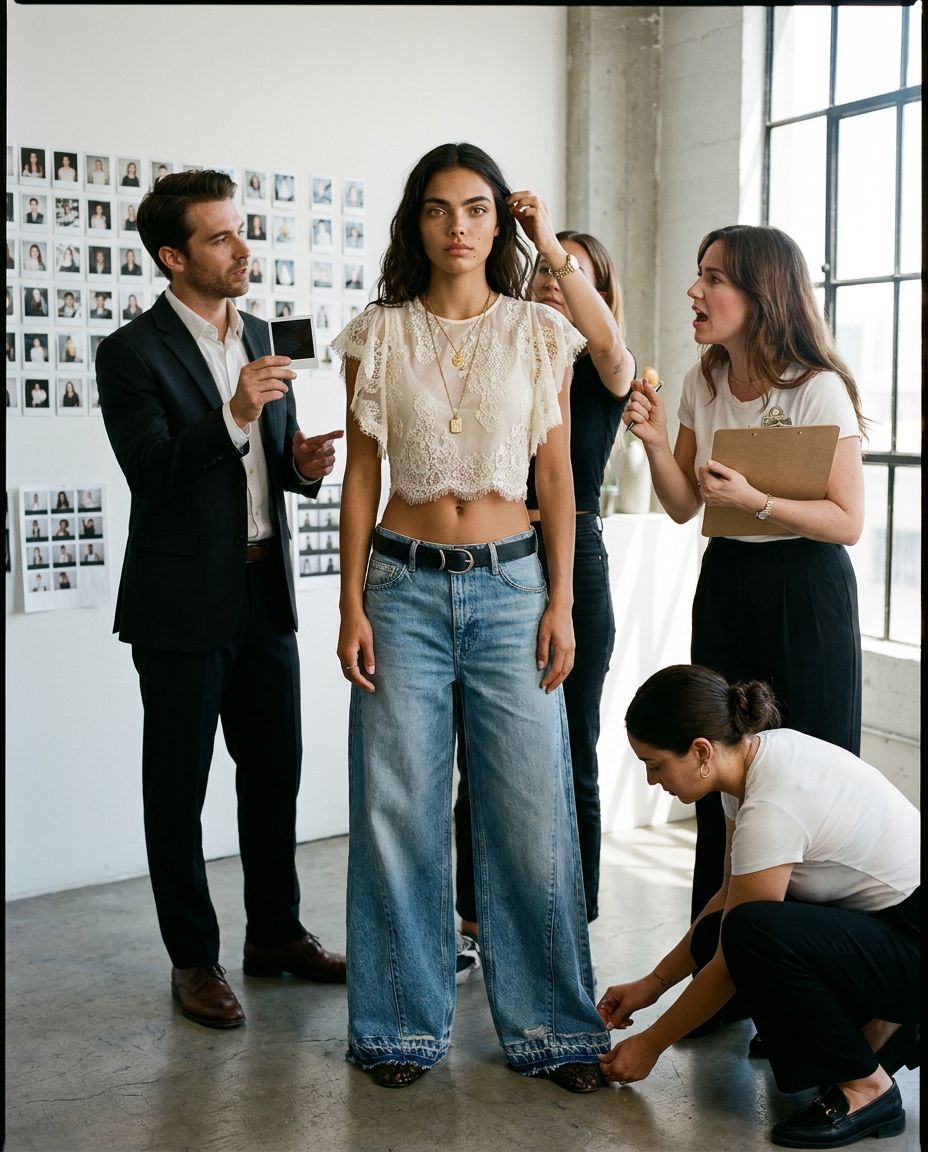
I was twenty-two and the agents called my mother before they called me. The booking sheet for the season had been built on a Tuesday afternoon in someone else’s office, in a city I had not been consulted about, by people who used my name in the third person while I sat in the room.
This is the part of the story where, in the version that gets told back, I had agency. I had a manager. I had a calendar. I had, by certain accountings, a career.
What I did not have was the smaller, more inconvenient thing: the actual sentence I would have said about my own week, if anyone had asked me on a Tuesday afternoon what I wanted from it.
The first thing was a question.
Wudang did not start as a sovereignty practice. Wudang started as a flight. I went because my father had died and the apartment in Paris had begun to feel like a room someone else had decorated. The plane was the only decision I made that month.
Shifu Bai did not ask why I had come. He asked me to stand. And then he asked me to stand again. And then, on the third morning, with the kind of patience that is itself a teaching, he asked me what I wanted to know.
The first sovereignty is not over the schedule. It is over the question. Whose question are you trying to answer with your week.
Five changes followed, in a particular order. None of them were dramatic. All of them were structural. The first was that I started writing the question down in the morning before I read anyone else’s. The second was that I stopped explaining my schedule to people who had not paid for it. The third had to do with money, and is for another letter. The fourth was a kitchen. The fifth was a Tuesday I left alone.
The work is to notice in the first place. The work after that is to put it down before it leaves.